

Striking the Perfect Balance Between Darker Floors and Light Cabinetry
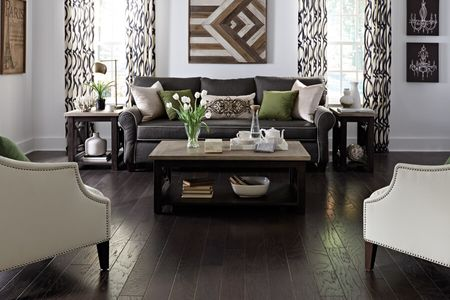
The foundation of a beautiful room starts from the ground up. When you step into a space that feels instantly balanced, it is often because of a thoughtful interplay between light and shadow. Choosing dark flooring is a bold design decision that grounds a room, giving it an undeniable sense of permanence and sophistication. However, the secret to keeping a deep floor from feeling heavy or enclosing lies in what you place directly above it. Pairing rich, dark floors with crisp, light cabinetry and trim creates a look that brings both energy and balance to your home.
This classic design strategy relies on high contrast to highlight the architectural details of your living spaces. Instead of a room feeling monochromatic or flat, the stark difference between light and dark surfaces creates visual layers. The deep tones of the floor establish a solid foundation, while bright cabinets and woodwork draw the eye upward, making ceilings feel higher and spaces feel airier. By understanding how these elements interact, you can confidently create a cohesive, stunning environment that feels both expansive and cozy.
The Visual Balance of Light and Dark Elements
Achieving a harmonious home design requires a careful distribution of visual weight.
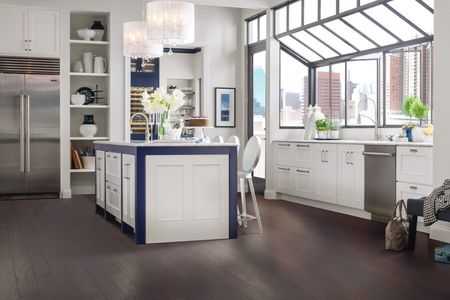
Dark floors possess an inherent gravity, naturally drawing the eye downward and providing a sturdy base for your interior. If a room features dark floors alongside dark walls and dark furniture, the space can quickly begin to feel small, dark, and cave-like. Introducing light cabinetry and trim provides an immediate counterweight to that deep base, lifting the room and reflecting natural light throughout the space.
This combination works remarkably well because it mimics the natural world, where the ground beneath us is dark and the sky above is bright. When you walk into a kitchen with deep espresso hardwood and bright white shaker cabinets, your eyes easily register the boundaries and dimensions of the room. The light cabinetry prevents the dark floor from absorbing all the ambient light, ensuring that the room remains cheerful and welcoming even on overcast days.
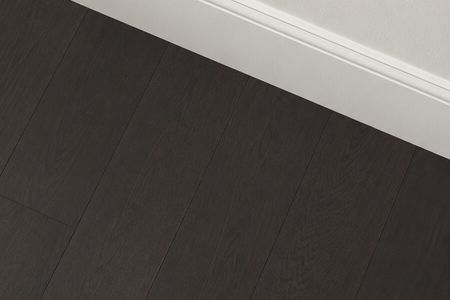
The transition where your flooring meets your walls is an essential detail in this design approach. Baseboards and trim act as a visual frame for your floors, creating a crisp boundary line that defines the architecture of the room. When you pair dark planks with light trim, you accentuate the perimeter of the space, highlighting the clean lines of your layout. This crisp delineation makes rooms feel more structured, polished, and intentionally styled.
Selecting the Right Undertones for Your Space
Success with high-contrast design depends heavily on managing the underlying colors within your flooring and woodwork. Dark floors are rarely just brown or black; they carry distinct undertones that can range from cool charcoal and blue-gray to warm chocolate, auburn and burgundy. To create a flow, the light shades you choose for your cabinets and trim must complement these subtle background hues.
Working with Cool-Toned Flooring
Cool dark floors, such as charcoal laminate, slate-gray luxury vinyl plank, or ebony-stained oak, bring a sleek, modern sensibility to a home. These floors work beautifully when paired with crisp, pure whites or light gray cabinetry that shares those same cool characteristics. A pure white trim against a charcoal floor creates a sharp, graphic contrast that feels incredibly clean and contemporary. This pairing is excellent for homes with minimalist architecture or those aiming for an urban aesthetic.
If your flooring leans toward warm chocolate, rich walnut, or deep cherry, the space will naturally feel more traditional and inviting. To preserve this cozy atmosphere, look for creamy whites, soft ivories, or warm beige tones for your cabinets and woodwork. A stark, cool white can sometimes look too harsh or clinical against a warm wood floor, creating a jarring disconnect. A softer, warmer white ensures that the transition between the dark ground and the light vertical surfaces feels gentle and harmonious.
Crafting Flow Through Material and Texture
While color contrast is the primary driver of this design style, texture plays an equally important role in preventing the space from feeling stark or sterile. When you pair smooth, flat cabinet doors with a highly grained dark wood floor, the natural variations in the floor bring life and movement to the room. The contrast becomes less about a simple black-and-white effect and more about the rich relationship between organic textures and clean surfaces.
In high-traffic areas like kitchens and mudrooms, luxury vinyl tile or durable engineered hardwood with wire-brushed finishes add incredible depth. The subtle ridges and matte finish of wire-brushed dark floors catch the light beautifully, softening the contrast with smooth, painted cabinetry. In return, the light cabinets reflect light back down onto the floor, showcasing the unique grain patterns, knots, and character marks of the flooring material.
The choice of sheen also influences how these materials interact. A high-gloss dark floor can create a dramatic, mirror-like effect and it also reflects every beam of light and shows footprints easily. A satin or matte finish on dark flooring offers a much more grounded, forgiving surface. When paired with semi-gloss light trim, the subtle shift in sheen adds another layer of sophisticated design, making the room feel thoughtfully curated rather than mismatched.
Bringing the Look into Different Rooms
While the kitchen is the most popular place to showcase dark floors against light cabinetry, this design philosophy transforms other areas of the home with equal success. In a living room or formal dining space, dark flooring paired with bright white wainscoting and crown molding creates an atmosphere of traditional elegance. The light woodwork climbs the walls, drawing the eye upward toward the ceiling, which makes the entire room feel grander and more spacious.
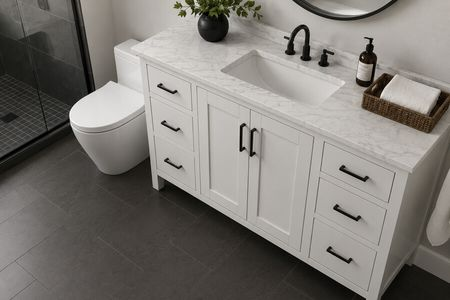
In bathrooms, where space is often limited, this contrast can be used to manipulate perception. A deep, dark tile floor sets a dramatic, clean foundation, while a light floating vanity and matching trim keep the room from feeling cramped. The contrast creates a sense of luxury, reminiscent of a high-end spa, proving that you do not need a massive room to execute a dark flooring design.
Creating Your Perfect Contrast
Designing a home with high-contrast elements allows you to play with light, shadow, and proportion to create spaces that are uniquely yours. By anchoring your rooms with dark flooring and lifting them with light cabinetry and trim, you strike a perfect balance between drama and airiness. This approach gives you the freedom to experiment with different design styles, from rustic to contemporary, while ensuring your home always feels balanced, comfortable, an grounded.
At Haight Carpet & Interiors, we’ll help you explore your options and find the right flooring for your home in Woodinville, WA. Our team is ready to guide you through our extensive selection of dark hardwoods, luxury vinyl and laminate options to find the perfect match for your design vision. Visit our our showrooms in Woodinville and Tacoma today to see these materials in person and take the first step toward transforming your living spaces.